A Year of Postcards: One Small Card a Week
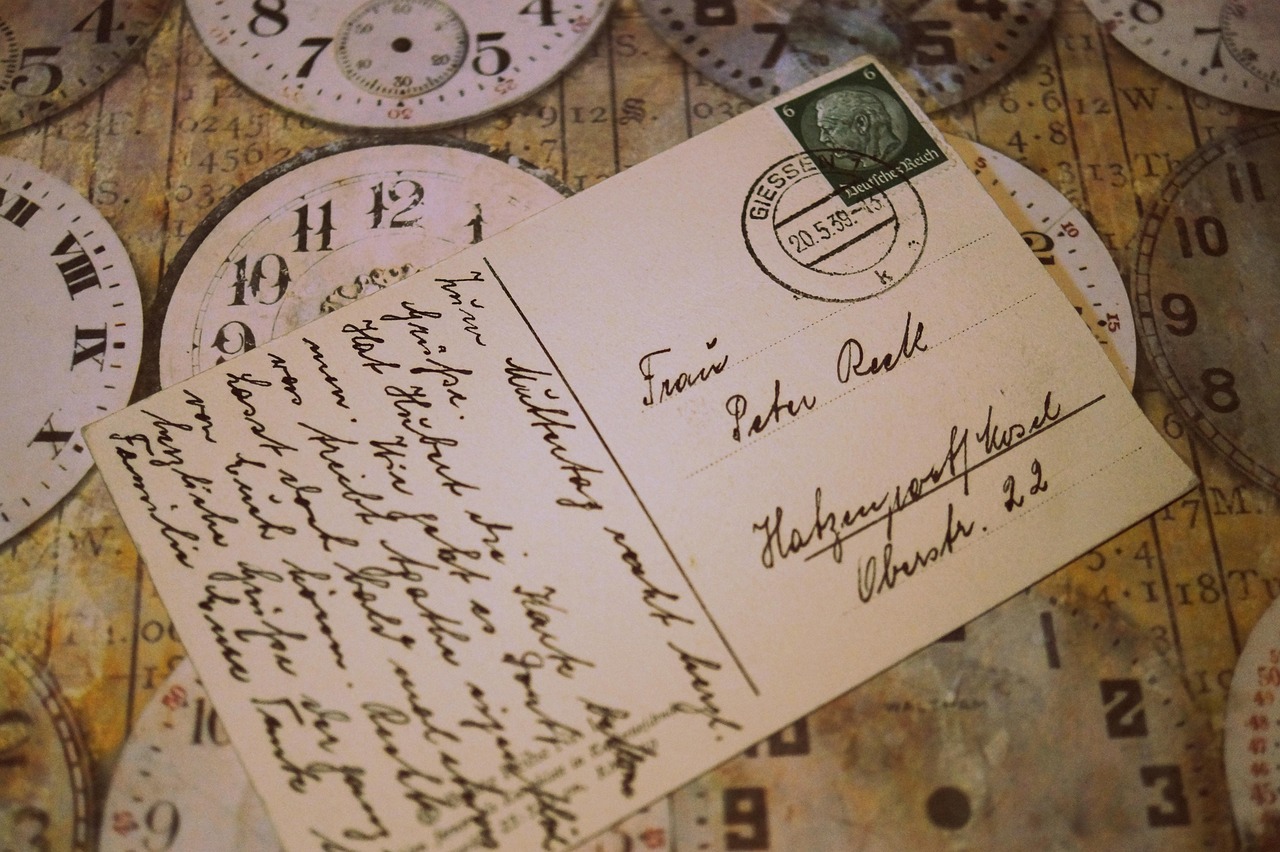
Postcards have a reputation problem. We associate them with vacations and souvenir shops, with a hurried wish you were here scrawled beside a picture of a beach. But the postcard is really the most forgiving form of correspondence we have. It asks for three sentences, one stamp, and no envelope. Nothing about it needs to be permanent or profound.
Last year I decided to send one postcard a week. Not to a stranger, not as a project with a spreadsheet, just one card to one person I already knew. The rules were simple: it had to be mailed, and it had to say something true about the week.
Why the Short Form Works
The postcard's limits are its greatest strength. Because there is no room for a long preamble, you skip straight to the point. The lilacs finally opened. I burned the rice again. I am reading a book about glaciers and thinking of you. These are not important sentences. They are the kind of sentences that build a friendship over years, the way small deposits build a savings account.
Postcards also travel differently than letters. They are read in the open, often by the recipient's household, and they tend to get pinned up rather than filed away. A friend told me she kept mine on the fridge for months, which is more attention than most of my emails will ever receive.
And they are cheap enough that you do not agonize over them. A card that costs a dollar and takes four minutes removes almost all of the friction that stops us from writing. The barrier to entry is low, which means you actually do it.
How to Keep the Habit Alive
Buy postcards in bulk, and buy ones you genuinely like — botanical prints, old maps, photographs of your own town. Keep them with your stamps, not in a drawer across the house. Write the address first, then the message. If you leave the message for later, the card will sit blank for a month.
Keep a running list of people in mind, and rotate through it. You do not need to send to the same person every week, and you do not need to send to everyone equally. The point is regular contact, not fairness. If someone writes back, wonderful. If they do not, send another one anyway. Postcards are not a transaction.
Write about the ordinary week, not the highlights. Highlights are rare and often hard to describe. Ordinary weeks are abundant and specific, and they are what people actually want to hear about. Rain, a slow train, a bad haircut, a good cup of coffee — all of it is welcome on a card.
At the end of the year, you will have sent fifty-two small pieces of yourself into the world. Some will be lost, some will be kept, and a few will end up in a shoebox that someone opens decades from now. That is a good return on four minutes a week.