Writing Letters to Your Future Self
Most letters are written to other people. We write to friends, family, pen pals, and sometimes to strangers who become friends through the slow exchange of words. But there is another kind of letter that is just as valuable, and it is one you write to yourself.
The idea of writing a letter to your future self is not new. Teachers sometimes assign it to students at the start of a school year. Therapists suggest it as a way to track growth and change. But it is also a deeply rewarding practice for anyone who loves correspondence, because it combines everything we cherish about letter writing: reflection, intention, and the strange, hopeful act of sending words into the unknown.
What to Write About
The beauty of a letter to your future self is that there are no rules. You can write about anything. But if you are not sure where to start, here are some prompts that tend to work well.
Describe your life right now. Not just the big events, but the small details. What does your morning routine look like? What are you reading? What song have you had on repeat? What is worrying you, and what is bringing you joy? These are the things that fade from memory fastest, and they are often the most poignant to read later.
Write about what you hope for. Not just goals, but feelings. Do you hope to feel more settled? More adventurous? More at peace? Write about the kind of person you want to become, and be gentle with yourself. The point is not to set impossible expectations, but to capture a moment of honest longing.
Ask yourself questions. What do you want to remember? What do you want to let go of? What advice would you give yourself if you could? These questions turn the letter into a conversation across time.
How to Store and Revisit Your Letter
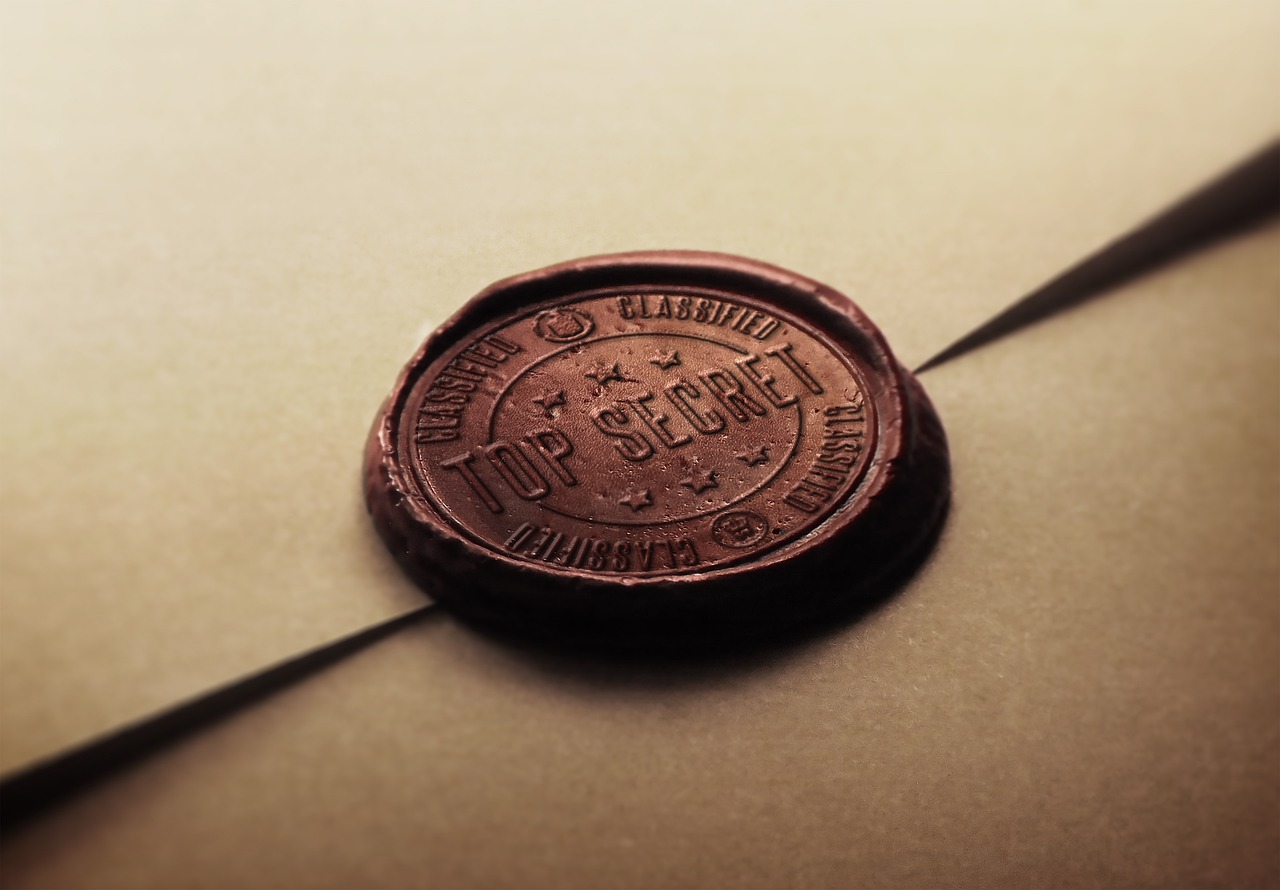
Once you have written your letter, seal it. Write the date on the envelope, and a date for when you want to open it. A year is a good starting point. Five years is even more interesting. Ten years is a genuine time capsule.
Store it somewhere safe but not so hidden that you forget about it. A desk drawer, a keepsake box, or tucked inside a favorite book. Some people ask a trusted friend to hold onto it and mail it at the appointed time, which adds an element of surprise.
When you finally open it, read it slowly. Notice what you got right and what you got wrong. Notice what has changed and what has stayed the same. Notice the voice of your past self, and be kind to them. They were doing their best with what they knew.
Writing to your future self is an act of faith. It assumes there will be a future, and that the person you become will care about the person you are now. That is a hopeful thing to believe. And hope, like a letter, is something we can choose to send out into the world, trusting it will arrive exactly when it is meant to.