Building a Correspondence Kit You Will Actually Use
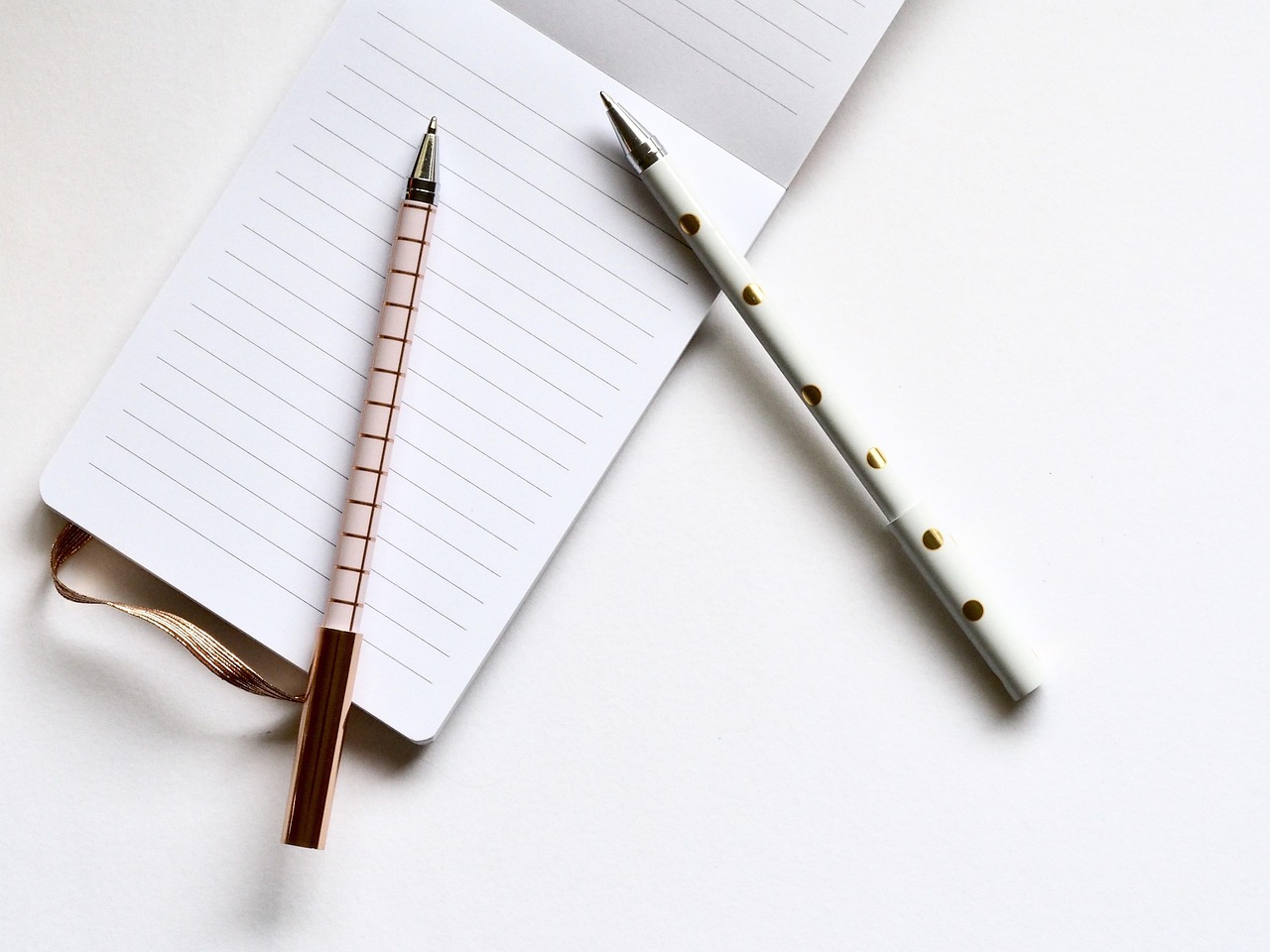
The reason most of us do not write more letters is not that we dislike writing them. It is that writing one requires assembling six small things from four different places, and by the time we have found the stamps, the moment has passed. The fix is unglamorous: put everything in one box, and keep the box where you sit.
I keep mine on a low shelf beside the front door. It is a shallow wooden tray, the kind that once held cutlery, and it holds everything a letter needs. When I have ten spare minutes, I do not have to decide anything. I open the tray and start.
What Goes in the Tray
Start with paper. A pad of plain cream or ivory sheets, roughly A5, is the most versatile choice: large enough for a real letter, small enough that you do not feel obligated to fill it. Loose sheets give you freedom to write two pages or half of one. If you prefer folded notecards, keep a box of those instead, but choose a size that fits your handwriting without cramping it.
Envelopes next, and here is the small secret: buy envelopes that match your paper, and buy more than you think you need. Running out mid-letter is the fastest way to lose momentum. Add a sheet of stamps — real ones, not a printout — tucked into a small envelope of their own so they do not curl. Keep a return-address stamp or a set of labels if writing your address repeatedly tires you. Keep a good pen, the one you already know you like, and a pencil for drafts.
The final item is the one people forget: a small notebook or index card where you jot the names of people you owe a letter. Not a to-do list with deadlines. Just names. Seeing them in one place makes it easy to write two short notes instead of none.
Making the Habit Stick
Do not wait for a special occasion. Letters sent on ordinary Tuesdays are often the ones people remember, precisely because nothing prompted them. Keep a stack of postcards in the tray too — they take three sentences and one stamp, and they are the perfect entry point on a busy week.
Write in short sittings. A letter does not need to be finished in one go, but it does need to be finished. If you stop mid-sentence, you will know exactly where to resume, which is a small trick that works surprisingly well. Address the envelope before you write the letter, so the only thing left at the end is the stamp.
Refill the tray when it runs low, the same way you would restock coffee or tea. A correspondence kit is not a craft project or a display. It is a small piece of infrastructure that makes a good habit easy, and easy is what keeps a habit alive.