Reading Old Letters: What Family Correspondence Teaches Us
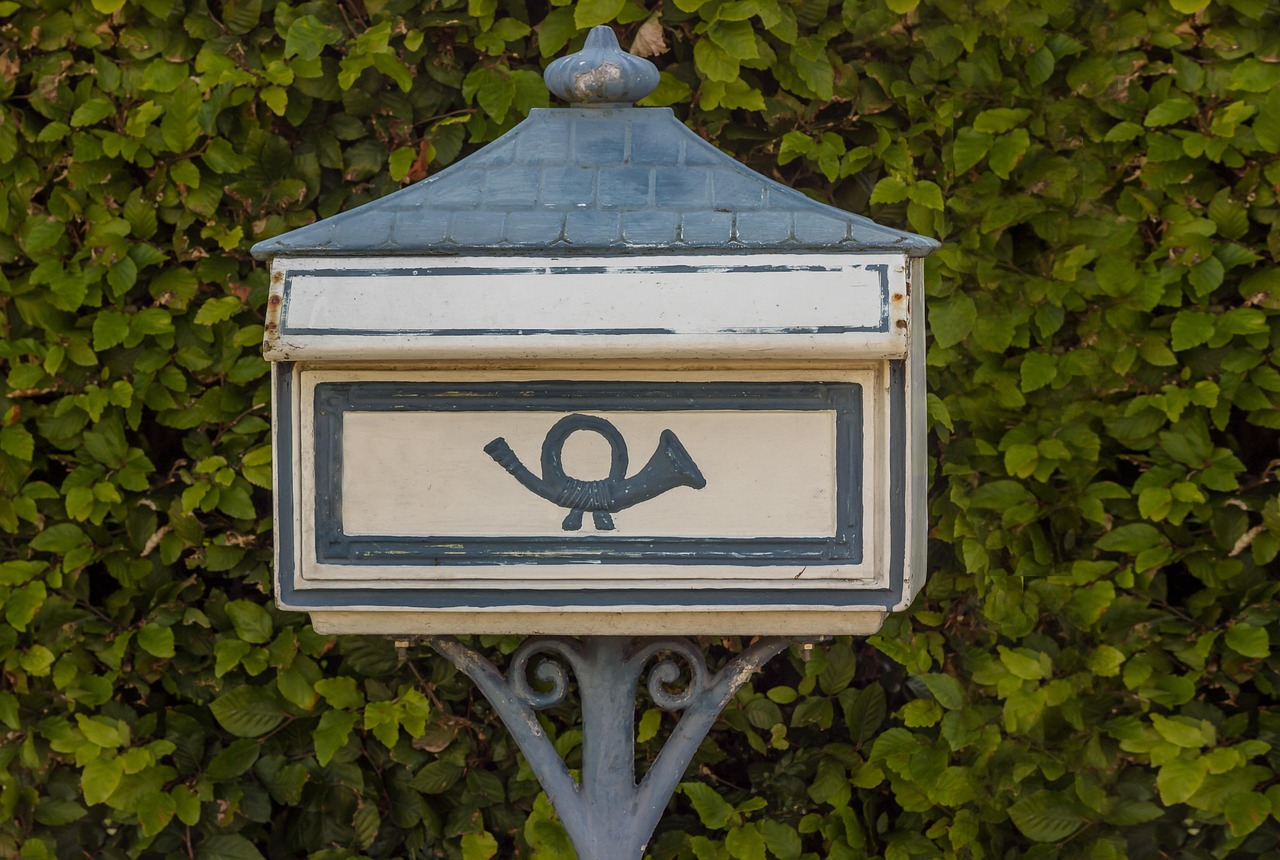
My grandmother kept her letters in a biscuit tin, which is to say she kept them the way most people do: not as an archive, but as a place things landed. When the tin came to me, it held grocery lists, a warranty card, three photographs, and about forty letters spanning four decades. I read them over a winter, one or two at a time, and by the end I understood my family differently.
Old letters are not just sentimental objects. They are records of ordinary days, and ordinary days are exactly what history tends to leave out. A letter about a leaking roof in 1962 tells you what the weather was like, what a repair cost, who was speaking to whom, and what everyone worried about at night.
What Letters Record That Photographs Do Not
A photograph shows you a face. A letter shows you a voice. In the tin I found my great-aunt complaining about a neighbor's dog, my grandfather describing a train journey in careful, unhurried sentences, and a cousin I never met writing about a job she was afraid to take. None of it was dramatic. All of it was specific, and specificity is what makes the past feel inhabited.
Letters also reveal the texture of relationships. You can see who wrote often and who wrote briefly, who apologized and who never did, which branches of the family stayed in touch and which quietly drifted. Reading them is a reminder that correspondence is a form of maintenance. Relationships survive on small, regular contact, not on grand gestures.
There is a practical lesson here as well. The letters that moved me most were not the eloquent ones. They were the ones that mentioned small things — a new recipe, a broken fence, a child's first word — alongside the news. The writers were not trying to be memorable. They were simply paying attention, and attention is what lasts.
How to Read and Keep Them Well
Handle old letters gently. Wash and dry your hands, avoid food and drink nearby, and keep the pages out of direct sunlight, which fades ink faster than anything else. Do not tape torn pages; a paper conservator can advise, and tape does more harm over time than a clean tear. Store them flat, in an acid-free box if you can find one, away from damp basements and hot attics.
Read them aloud if you have someone to read with. Handwriting carries tone, and hearing a sentence in your own voice brings the writer closer. If you are transcribing, type them exactly as written — including the misspellings and the dashes — so the voice survives the transfer.
And then, when you have finished reading, write a letter of your own. Not a summary of your life, just an ordinary day: what the weather is doing, what you are worried about, what made you laugh. Leave it somewhere a person you love might find it in forty years. The tin has to start somewhere.