The Slow Pleasure of Writing with a Fountain Pen
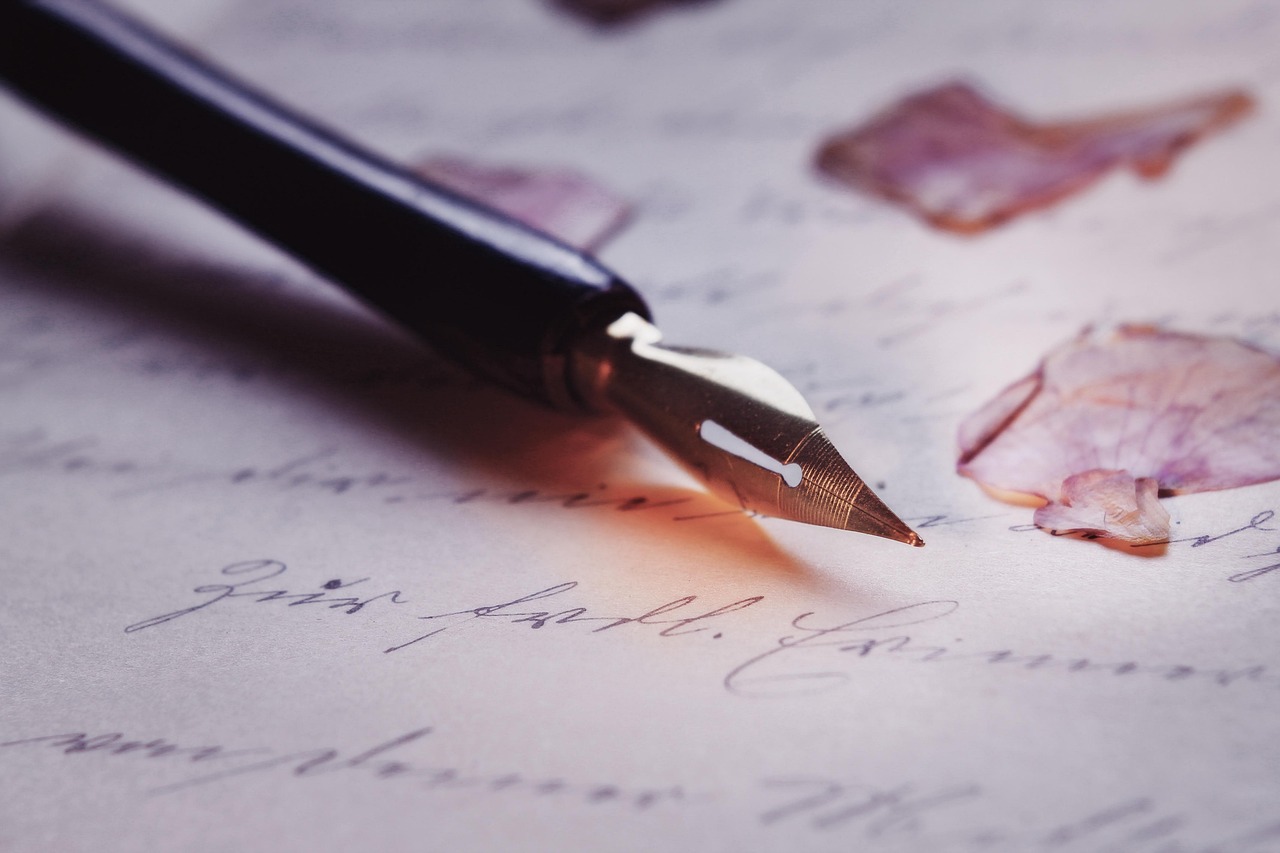
I resisted fountain pens for years. They seemed fussy, expensive, and a little pretentious. I was perfectly happy with my reliable ballpoint, thank you very much. Then a friend gave me a simple, inexpensive fountain pen for my birthday, and something shifted. It was not about the pen being fancy. It was about the way it made me slow down.
Writing with a fountain pen is a tactile experience in a way that writing with a ballpoint is not. The nib glides across the paper, laying down ink that varies in thickness depending on how much pressure you apply. You become aware of your own hand, your own breath, the angle of the page. It is almost meditative.
Why the Tool Matters
There is a reason people who write by hand tend to be particular about their tools. The instrument you use shapes the experience of writing. A cheap, scratchy pen makes writing feel like a chore. A smooth, well-balanced pen makes it feel like a pleasure. This is not snobbery; it is simply physics and ergonomics.
Fountain pens require a lighter touch than ballpoints. You do not have to press down to make the ink flow. This means your hand does not tire as quickly, and your handwriting tends to be looser and more natural. Many people find that their handwriting actually improves when they switch to a fountain pen, because they are no longer gripping the pen in a death clutch.
There is also the matter of ink. Fountain pen ink comes in an astonishing range of colors, from classic blues and blacks to deep greens, warm browns, and even shimmering golds. You can match your ink to your mood, the season, or the recipient. A letter written in soft grey ink feels different from one written in bright turquoise.
Getting Started Without Overthinking It
You do not need to spend a fortune to try a fountain pen. There are excellent beginner pens available for the price of a nice lunch. Look for something with a fine or medium nib, as these are the most versatile. A cartridge-filling pen is the easiest place to start, since you do not have to mess with bottled ink. Once you are comfortable, you can explore converters and bottled inks.
Paper matters too. Fountain pens work best on smooth, slightly heavier paper. Very absorbent paper will cause the ink to feather and bleed, which can be frustrating. A good quality stationery paper will make your writing look crisp and elegant.
The point is not to become a pen collector, though that is a lovely rabbit hole if you choose to fall down it. The point is to make the act of writing letters feel special. When you sit down with a pen that feels good in your hand and ink that pleases your eye, you are more likely to take your time. You are more likely to enjoy the process, not just the finished product.
And in a world that constantly urges us to hurry, there is something quietly rebellious about choosing to write slowly. A fountain pen is a small tool with a large lesson: the way we do a thing matters as much as the thing itself.