Pressed Flowers and Ink: Bringing the Meadow Indoors
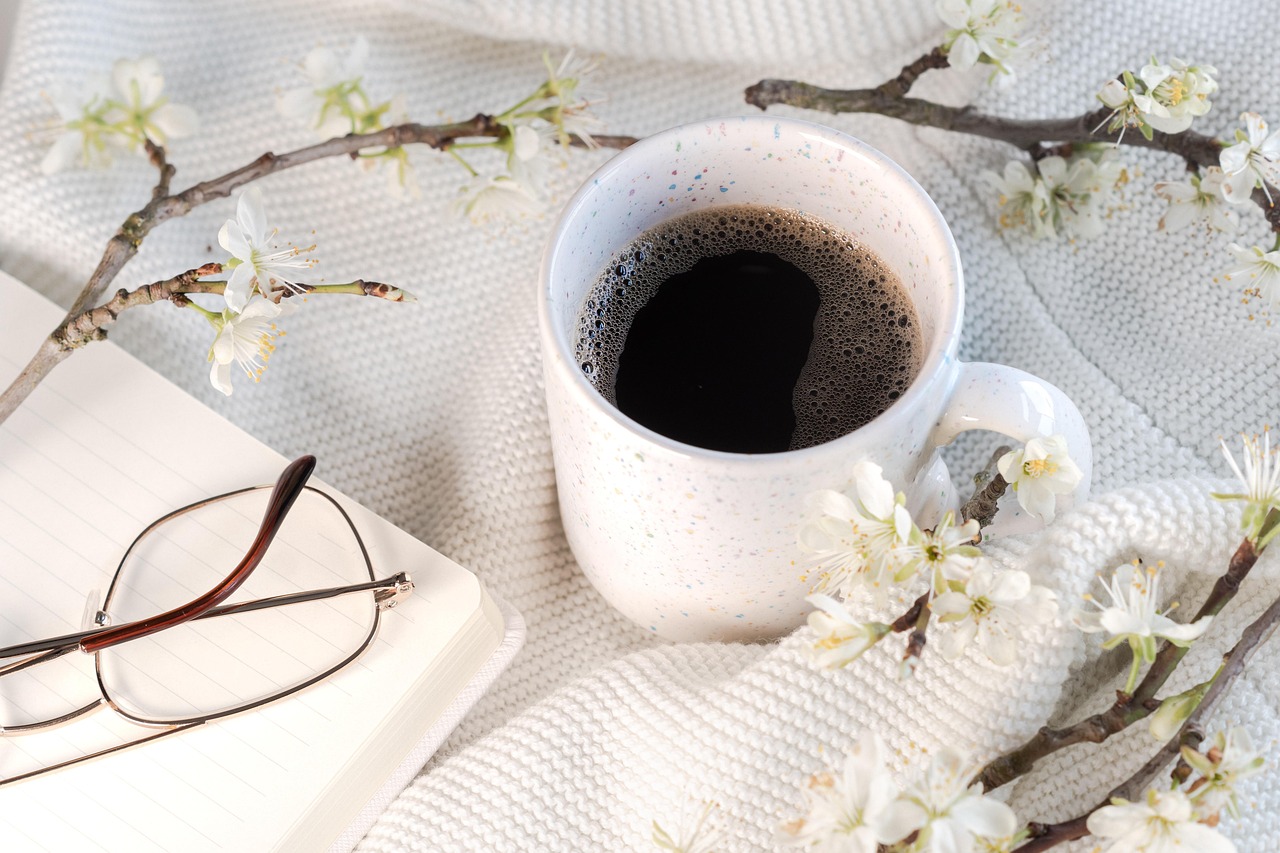
There is a particular kind of magic in opening an envelope and finding a thin, brittle flower pressed between the pages. It smells faintly of paper and dust and something green that has long since faded. Long before I ever thought of writing about stationery, I kept a heavy dictionary on my desk specifically for flattening violets and clover. The book still holds a few ghosts of summers past between its pages.
Pressing flowers is one of the simplest nature crafts there is, and it pairs beautifully with handwritten correspondence. You do not need special equipment. You need patience, a few sheets of blotting paper or plain newsprint, and something heavy. The rewards arrive weeks later, when you open your press and find color and shape preserved in a way that feels almost like a small miracle.
Choosing and Pressing Your Flowers
The best flowers for pressing are flat-faced and thin. Think pansies, violas, daisies, ferns, clover, and the tiny blooms of wild geranium. Thick, fleshy flowers like roses or tulips tend to mold rather than dry, and they leave disappointing brown smudges. Pick your flowers in the morning after the dew has dried but before the heat of the day sets in. Carry them home gently in a basket or between the pages of a book you are not worried about wrinkling.
Arrange each flower face-down on a sheet of blotting paper, making sure petals are spread the way you want them to dry. Layer another sheet on top, then place the whole stack between the pages of a heavy book or inside a proper flower press. If you are using books, stack a few more on top. Leave everything alone for two to four weeks. The hardest part is not checking every day, but the flowers will thank you for your restraint.
Once dry, your flowers will be fragile and papery. Handle them with tweezers if you have them, or very clean, dry fingers. Store them flat in a folder or between sheets of wax paper until you are ready to use them.
Using Pressed Flowers in Your Letters
There are several ways to incorporate pressed flowers into correspondence. The simplest is to tuck one into a folded letter before sealing the envelope. The recipient will find it when they open your note, a small surprise that carries the scent and memory of a specific place.
For a more permanent approach, you can attach flowers directly to your stationery using a tiny dab of archival glue or a piece of double-sided tape. Write your letter first, leaving space for the flower, then place it carefully. Avoid putting pressed flowers through the postal system unprotected, as they can crumble or get crushed. If you want to mail a decorated card, place it inside a slightly larger envelope or use a rigid mailer.
Another lovely option is to create a small collage on the envelope itself, though this works best for hand-delivered letters. A border of pressed ferns around the address, or a single violet in the corner, turns the envelope into a keepsake before the letter is even read.
Pressed flowers remind us that correspondence is not just about words. It is about place and season and the small, ordinary beauty we notice when we slow down enough to look. A letter with a flower inside says: I was here, in this meadow, in this moment, and I thought of you.