The Quiet Joy of Choosing the Right Pen for Letter Writing
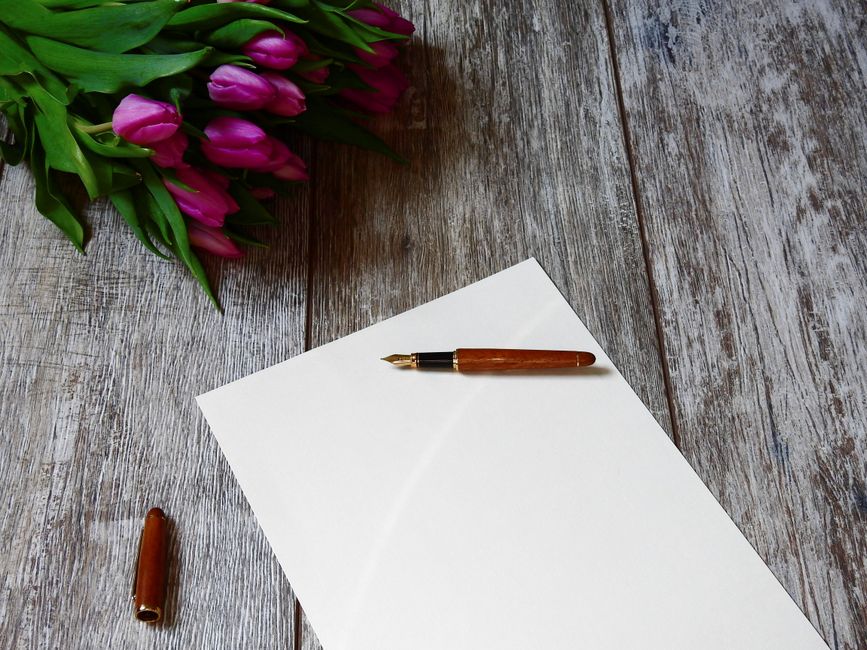
There is a moment, just before you begin a letter, when you reach for a pen and the whole mood of the page is decided. Pick up a heavy fountain pen and your handwriting slows, loops widen, and the ink pools slightly at the end of each stroke. Pick up a fine gel roller and your letters grow smaller, quicker, more clipped. The pen is not just a tool; it is a kind of instrument, and every letter is played a little differently depending on which one you choose.
For years I kept a single ballpoint in a drawer and thought nothing of it. Then a friend sent me a letter written with a stub-nib fountain pen, and the variation in line width — thick downstrokes, hairline crossbars — made the page feel almost spoken aloud. I went looking for a pen of my own the next week, and I have been fussing over nibs ever since.
What Each Kind of Pen Does to Your Hand
Fountain pens reward slowness. Because the nib glides on a thin film of ink, you do not need to press, and that lightness tends to make handwriting more relaxed and more legible. The trade-off is maintenance: flushing the pen, refilling converters, and accepting that some inks feather on cheap paper. Gel pens sit in the middle — smooth, consistent, widely available, and forgiving of any paper you happen to own. They are the workhorse of everyday correspondence, and there is nothing wrong with that.
Pencils deserve more respect than they get. A soft graphite pencil on cream paper has a softness that no ink quite matches, and it invites erasure, second thoughts, and the small honesty of a crossed-out word. For condolence letters or first drafts of anything difficult, a pencil can be kinder than ink. Rollerballs, meanwhile, are the travelers of the group: leak-resistant, quick-drying, and happy to be tossed in a bag beside a stamp book.
Building a Small, Deliberate Collection
You do not need a drawer full of pens. Three will carry you a long way. Keep one fountain pen with a medium or fine nib for letters you want to feel formal and unhurried. Keep one gel or rollerball in a dark, dependable color for quick notes and postcards. Keep one pencil, sharpened, for the letters you are not sure how to begin.
Ink color matters as much as the pen. A deep blue-black reads as traditional and calm; a warm brown feels like autumn and old books; a soft grey is quiet without being cold. Save the vivid greens and oranges for people who will enjoy them, and use them yourself when a letter needs a little brightness. Test any new pen on the actual paper you plan to write on, because the same nib that sings on cotton rag can skip on a slick card stock.
The point is not to own the best pen. The point is to notice how the pen in your hand changes the way you say things, and to choose accordingly. A letter written with intention, even with a humble pencil, will always outshine a hurried note written with something expensive.